Truck Scale Installation: Site, Foundation and Commissioning
Plan a truck scale installation from site survey and foundation through drainage, power, cabling, calibration, commissioning, training, and handover.
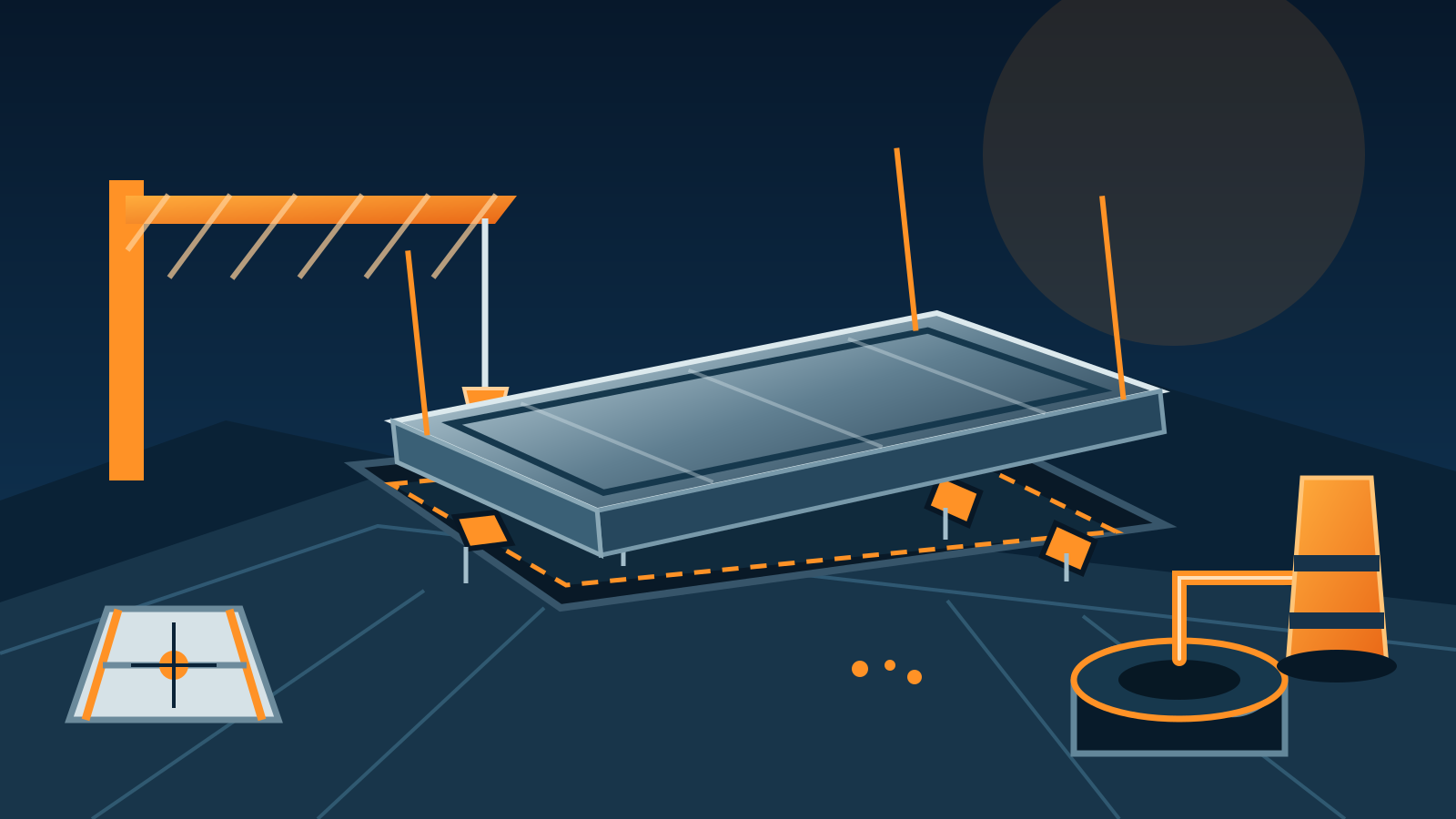
Truck scale installation is a coordinated project that turns weighing equipment into a complete, usable vehicle-weighing system. It includes site investigation, traffic layout, engineered foundations, drainage, electrical and data services, scale assembly, calibration, functional testing, training, and handover. Use the scale manufacturer, qualified civil and electrical professionals, experienced installers, and legal-metrology authorities as applicable; generic foundation details or code assumptions are not safe substitutes for site-specific design.
Key takeaways
- Define vehicles, loads, traffic flow, transaction workflow, environment, and legal use before design begins.
- Survey, geotechnical information, drainage, utilities, and foundation engineering are core project inputs.
- Pit-mounted and above-ground scales create different excavation, ramp, access, and water-management needs.
- Coordinate power, grounding, surge protection, data, and peripheral cabling before concrete work closes routes.
- Commission the mechanical, measurement, software, and traffic-control functions as one system.
- Keep approved drawings, test results, calibration records, training, warranties, and maintenance information at handover.
Define the installation project
Begin with an operational brief. Record the longest vehicle combination, expected maximum gross load, axle arrangements, daily and peak traffic, direction of travel, queuing space, speed control, and future growth. Describe whether transactions are attended or unattended and identify printers, kiosks, barriers, traffic lights, intercoms, cameras, identification devices, remote displays, and business-system interfaces.
Also define the intended use of weight data. Internal inventory control and legal-for-trade transactions may have different equipment, documentation, verification, and security requirements. Requirements depend on the application and jurisdiction, so involve the relevant authority and qualified provider early rather than trying to resolve approval after construction.
A weighbridge is the deck-and-load-cell system used to weigh road vehicles; that overview explains the basic pit-mounted and surface-mounted arrangements. This installation guide focuses on delivering the complete site. It does not provide structural dimensions, reinforcing schedules, electrical designs, or universal code rules.
Site investigation and layout
The site must support safe vehicle movement and reliable static weighing. A survey should establish levels, boundaries, structures, access roads, drainage routes, overhead restrictions, and known utilities. Utility locating, geotechnical investigation, groundwater information, flood exposure, frost conditions, contamination, and permitting needs may also be required.
Lay out the scale within the real traffic pattern. Trucks need adequate straight approach and departure space, room to align fully on the deck, and safe separation from pedestrians and buildings. Check turning paths for the actual vehicle fleet rather than a nominal truck. Include queue spillback, bypass lanes, emergency access, gate operation, wheel-cleaning areas, and the position of signs and controls.
Approaches help vehicles settle before a static reading. Their geometry, strength, level condition, and transitions should follow the approved scale design and applicable requirements. Avoid locations where trucks must turn, brake sharply, or climb an abrupt transition while entering the deck.
Pit-mounted or above-ground installation
The mounting style changes the project scope, but neither option is universally best.
| Project issue | Above-ground scale | Pit-mounted scale |
|---|---|---|
| Vehicle access | Uses ramps and generally approaches from defined ends | Flush deck may allow access from more directions |
| Site footprint | Needs length for ramps and transitions | Can reduce ramp length but needs excavation and pit construction |
| Service access | Many components may be reached from the sides or beneath the deck design | Requires planned pit access and safe working arrangements |
| Water and debris | Needs runoff control around foundations and ramps | Requires particularly careful pit drainage, pumping, and cleanout planning |
| Civil coordination | Foundations, piers, ramps, approaches, and protection | Excavation, walls, base, edge details, drainage, and access openings |
Select the arrangement through site planning, lifecycle access, environmental review, manufacturer input, and engineering—not from equipment price alone. The separate truck scale cost guide addresses equipment, civil work, freight, controls, commissioning, and total ownership costs; installation planning should establish those scope boundaries without turning this article into a price estimate.
Foundation and civil work
Truck scale foundations transfer repeated axle loads into the ground while maintaining the geometry required by the weighing system. Their design depends on the selected manufacturer and model, deck arrangement, rated loads, soil capacity, settlement risk, groundwater, climate, seismic or wind considerations where relevant, drainage, and local regulations.
Obtain current manufacturer interface and foundation information for the exact configuration. A qualified engineer should adapt and approve the civil design for the site. Do not reuse foundation dimensions, concrete strengths, reinforcement, bearing assumptions, or anchor details from another installation. Even similar-looking scales may impose different reactions and tolerances.
Before placement, confirm excavation, subgrade preparation, formwork, reinforcement, embeds, anchor locations, conduits, drains, sumps, and access details against coordinated drawings. Establish hold points for survey and inspection. Concrete placement, finishing, protection, and curing must follow the project specification before the foundation accepts installation loads.
Plan equipment delivery at the same time. Verify haul route, unloading area, crane or rigging access, ground bearing for lifting operations, module storage, overhead clearance, permits, weather limits, and exclusion zones. Lifting plans and assembly should be managed by qualified personnel using manufacturer-designated lift points and procedures.
Drainage and environmental protection
Water, sediment, ice, and spilled material can impair access, corrode components, block deck movement, and undermine civil work. The drainage design should account for surface runoff, groundwater, local storm intensity, process water, washdown, snowmelt, and the consequences of pump or power failure. Confirm lawful discharge and any treatment or containment obligations.
Pit systems may need graded floors, sumps, pumps, alarms, backflow controls, and cleanout access. Above-ground installations still require water to move away from foundations, load-cell areas, cable routes, and approaches. Protect against erosion and prevent drains from becoming product traps. Do not assume a sealed sensor compensates for a flooded, debris-filled, or inaccessible installation.
Environmental planning also covers corrosion exposure, road salt, lightning, temperature, dust, vibration, rodents, and vehicle impact. Select compatible materials and protective details with the manufacturer while preserving inspection and service access.
Power, grounding, data, and cabling
Coordinate electrical and low-voltage routes before foundations and paving are complete. The design may include power for the indicator, scale house, kiosks, barriers, lights, cameras, heaters, pumps, printers, networking, and backup systems. Identify service voltage, isolation, overcurrent protection, grounding and bonding, surge and lightning protection, and emergency shutdown requirements through qualified electrical design.
Keep measurement and communications cables protected from tires, sharp edges, water, excavation, pests, and electromagnetic interference. Use the manufacturer’s cable types, junction equipment, glands, conduit separation, bend limits, and termination practices. Provide spare or accessible pathways where the project requires them, label both ends, and document concealed routes. Electrical work and testing must follow equipment instructions and the codes that actually apply at the site.
Installation and commissioning sequence
A practical sequence creates inspection points instead of concealing defects:
- Approve the operational requirements, selected scale, responsibility matrix, and coordinated design.
- Complete permits, utility locating, site controls, excavation, drainage, foundations, conduits, and approaches.
- Survey critical interfaces and release cured civil work against the project acceptance criteria.
- Receive, inspect, unload, and assemble scale modules using approved lifting and installation procedures.
- Install load cells, mounts, restraints, junction equipment, cables, indicator, peripherals, and protection.
- Check clearances, free movement, alignment, fasteners, cable routing, grounding, drainage, and access.
- Configure the indicator, ticketing system, users, communications, peripherals, and software integrations.
- Complete electrical, functional, repeatability, position, and system workflow tests as specified.
- Calibrate with suitable traceable equipment and complete legal verification where required.
- Train operators and maintainers, resolve punch-list items, and issue the handover package.
Acceptance testing should cover more than a displayed weight. Exercise vehicle identification, gross/tare/net workflows, reweighs, tickets, barriers, traffic signals, printers, cameras, data transfer, backups, alarms, pump operation, and failure procedures. Record as-found issues and final results rather than relying on verbal confirmation.
Handover and early-life care
The owner should receive approved as-built drawings, equipment and serial-number lists, configuration backups, calibration and verification records, test sheets, operating procedures, training records, warranties, spare-parts information, and service contacts. Assign ownership for drainage inspection, housekeeping, data backups, calibration planning, and fault escalation.
After construction traffic clears, keep approaches and deck gaps free of debris and watch for settlement, standing water, cable damage, unusual noises, unstable zero, or position-dependent readings. Schedule an early review when the engineer, manufacturer, or installer specifies one. Long-term inspection and repair belong in a separate program; the truck scale maintenance checklist covers routine condition, cleaning, service, and records after handover.
A successful installation is not merely a scale placed on concrete. It is an engineered site, protected measurement chain, tested transaction process, and documented operating asset. Site-specific design and qualified commissioning are what turn the delivered equipment into a dependable truck scale.
Frequently asked questions
What is involved in a truck scale installation?
A complete installation typically includes requirements definition, survey and site investigation, traffic planning, engineered civil design, permits, excavation, foundation and drainage work, utilities and cabling, scale delivery and assembly, configuration, calibration, testing, training, and documented handover.
What foundation does a truck scale need?
The required foundation depends on the scale model, loads, soil and groundwater conditions, climate, mounting style, traffic, and local requirements. Use the manufacturer’s certified interface information and a qualified local engineer; generic dimensions or reinforcement details should not be copied between sites.
How long does truck scale installation take?
There is no universal duration. Design approvals, permits, utility relocation, excavation, concrete work and curing, drainage, equipment lead time, weather, integration, calibration, and legal verification can all control the schedule. Build the program around the approved project sequence.
Does a newly installed truck scale need calibration?
Yes, the completed system should be tested and calibrated using an appropriate documented procedure before operational acceptance. Legal-for-trade use may also require separate verification, inspection, sealing, or registration by an authorized party under the applicable jurisdiction.
Related guides
Axle Scales: Types, Uses and Buying Checklist
Learn how axle scales weigh vehicles, compare portable axle weighing pads with platforms, and choose a system for screening, compliance or operations.

Weighbridge Software: Features, Workflow, and Selection Guide
Learn what weighbridge software does, which features matter, how integrations work, and how to compare systems for secure, efficient truck-scale operations.
What Is a Weighbridge? Types, Uses and How They Work
A weighbridge weighs road vehicles and their loads. Learn how weighbridges work, the main types, key uses, and what affects accuracy and installation.